 CAM · LONDON
- RNG
- none
- Proof
- SHA-256
- Round
- ≈55 s
Live Traffic Betting: Real Cameras Instead of Random Numbers
Live traffic betting settles on footage of a real road, so no random number generator decides the outcome. That makes the result verifiable in a way slot maths is not, but it does not remove the operator’s margin.
18+ · ≈55 s rounds, up to ~65 an hour · operator margin applies · availability differs by country

Live footage vs a random number generator
Almost every casino game decides its result in a microsecond of software before showing you anything. Live traffic betting is one of the few where the thing on screen is the thing being decided.
Slot, crash, virtual sports
- A random number generator draws a value the moment you commit the stake.
- The reels, the curve, the animated match — all of it is a presentation of a number already drawn.
- The draw is invisible. You trust a testing lab’s certificate that the generator is unbiased.
- Every outcome is produced at the same speed; the game chooses how long to make you watch.
Live traffic camera
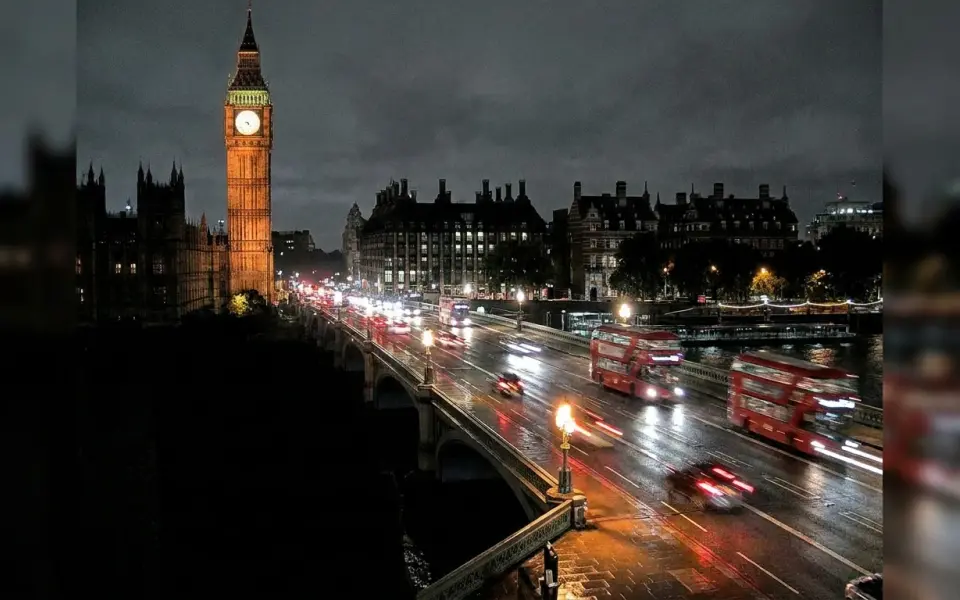
- A fixed camera streams a real junction in one of seven cities, all day, in its own time zone.
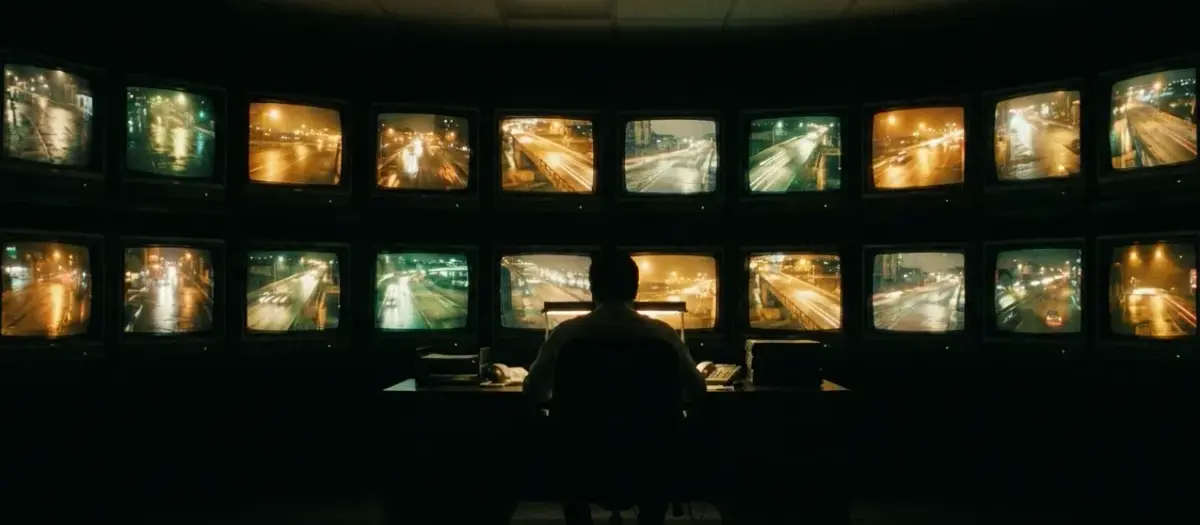
- A computer-vision model counts vehicles crossing a marked detection zone for about 55 seconds.
- The count is the result. The footage you watched is the event, not a replay of a decision.
- The pace is set by the road: the window is fixed, but what happens inside it is not scripted.
The CCTV Game genre, launched by 155.io in January 2026 with Rush Hour, is built on that second column. The studio calls it “Betting on Chaos”: instead of simulating randomness, point a camera at something genuinely unpredictable and settle bets on what it does. Traffic suits the job because it never stops and a vehicle count is a clean, machine-readable number — which is what makes four markets, Under, Over, Range and Exact, possible on one feed.
It is worth being exact about what “no RNG” covers. It covers the outcome: nothing in the software picks the count. It does not cover the price: the line and the payouts are set by the operator in the ordinary way, with a margin, and Rush Hour’s published return is 90.00–92.16%. A generator has been removed from one end of the game and nothing from the other. That is the whole of this page; the rest is detail.
The count itself — the detection zone, what it registers, why the angle changes the numbers — is covered on the traffic-camera page. This page stays on live against generated.
What “verifiable” actually means
The genre’s trust claim is real, and narrower than it sounds. The precise shape of what you can and cannot check.
- You can check
- that the count you were paid on is the count committed to before bets closed — SHA-256 hash, pre-committed chain, open verifier, round lookup by ID (spec: docs.155.io)
- You can watch
- the footage the count was taken from, live, with the normal delay of a stream
- You cannot check
- the detection model — what it registers as a vehicle, what it misses, how it is tuned for each feed
- You cannot check
- the margin in the line, or the payout table behind a given line; those are the operator’s commercial terms
Start with what the format does well. Before bets close, a SHA-256 hash of the result is published. After the round the count is revealed and must match that hash; the chain of hashes is pre-committed, so a round cannot be swapped in afterwards, and any past round can be looked up by ID in an open verifier. Compared with a slot, where the only fairness evidence is a lab certificate, this is a genuine improvement: the proof is per round, and it is yours to run.
Now the sober half. The hash proves consistency — that the number you were settled on is the number that was sealed. It does not prove the number is a faithful count of the road: that depends on a computer-vision model whose configuration is not published — whether a scooter counts, how a bus half in the zone is handled, what rain or glare does. You can see the video; you cannot audit the counter. And nothing in the verifier touches the margin: line and payouts are set commercially, as opaque as at any other game.
The honest description, then: verifiable event, unverifiable counter, ordinary margin. More than most casino games offer — and no reason to expect better odds.

Latency and stream delay
Every live stream arrives late. The question is not whether there is a delay — there always is — but whether it could let anyone see the result before betting.

A fixed camera captures the road. The detection zone and the counter work on this feed at the source, and the round clock runs here — not on your device.
Video is encoded, chopped into segments and pushed through a delivery network. This is where most of the delay lives, and it varies with the route and the network between the camera and you.
The player buffers a little so the picture does not stutter. You are watching the round a moment after it happened, and the game knows it: bets close against the source clock, not the picture.
The studio does not publish a delay figure and we will not invent one; it depends on your connection and route, and it is not a constant. What can be said is structural: the count happens at the camera, the hash is committed before bets close, and your picture is downstream of both. Whatever the delay is, it runs the wrong way to help you — you see less of the present than the game does, never more.
The usual worry is the reverse — that a delayed stream lets bets close after the operator already knows the count. That is what the pre-committed hash is for: the result is sealed before the window closes, so a late close cannot be filled with a known number. If you suspect footage and count belong to different rounds, check the round ID in the verifier, not the picture.
Delay is also why “peeking at the future” is impossible: you never see ahead of the source, and the next round has not happened yet anywhere. The signal cycle, which does shape each count, is explained on the traffic-light page; it shapes the operator’s line just as much.
Compared with crash games
Fast rounds, a number that climbs, a crowd watching together: the surface resemblance to crash is why this page exists. Underneath, the formats could hardly be more different.
A generated curve
The multiplier climbs and stops at a point software decided before the round started. Provably-fair schemes exist here too, but what they prove is that the generator ran honestly — the event itself is synthetic, and there is nothing to watch except the presentation.
A counted road
Vehicles cross a detection zone for about 55 seconds and a model counts them. The result is a property of a real street at a real moment. Four markets against a line, ≈65 rounds an hour, margin in the price — and footage you can see the result in.
A physical staircase
From the same studio: a ball bounces down a real staircase into numbered slots, rounds of about 90 seconds. Like Plinko, except every bounce is a physical event you can see. Same “no generator” principle as traffic, applied to mechanics rather than to a city.
The key word is deterministic. A crash round is fully determined by its seed: once the generator has run, the curve and its stopping point are fixed and the game plays them back at a speed chosen for drama. A traffic round is determined by nothing the software holds; the count exists only once the window has elapsed, and the operator learns it when the camera does. That is what “live” buys: not better odds, but an event that has genuinely not happened yet when you stake.
It also changes what “fast” means. A crash game can run as quickly as its designers like; traffic is paced by ≈55 seconds of road, Stairpong by a ball reaching the bottom. The tempo is still high and the round frequency is still the format’s main financial risk, but it is imposed by the world rather than tuned for retention. The money works the same: margin on every round, no memory between rounds, no system that outruns the line.
Where live traffic betting fits
It borrows from three older formats and belongs to none. A short spec sheet for placing it.
- Event
- Real roadlive camera, seven cities, seven time zones
- Outcome
- Machine countcomputer vision, detection zone, no RNG
- Markets
- 4Under · Over · Range · Exact, against a line
- Round
- ≈55 s~65 an hour, continuous
- Proof
- SHA-256hash before close, open verifier, round ID
- Return
- 90.00–92.16%published by 155.io; margin is the rest
From sports betting it takes the bet’s shape: a line, Under and Over, a real event you watch settle. It lacks the information game — no form, no news, nothing to know beyond a line built from the very feed you are watching. From slots it takes tempo and margin: short rounds, always on, house edge in the price — minus the generator. From live casino it takes the stream and the see-it-happen trust pitch, without a dealer or a table; the only hand in the frame is a model counting cars.
The combination is new, so the dates attached to it are few and worth quoting exactly: genre launched January 2026; Stake, Shuffle and Roobet live with it since February 2026; Snow Run added 31 March 2026. Deciding whether to try it? Start with what betting on traffic is, then how a traffic bet is actually placed and where the game is available. Deciding whether to trust it? The event, yes; the counter, on faith; the price, like any other casino margin.
Live traffic betting — FAQ
Is live traffic betting fairer than a slot?
It is more transparent about the event: you watch what settles your bet. The house margin still applies, so transparency and value are separate questions.
Could the stream be delayed or edited?
Streams carry some delay by nature. What matters is that the count and the footage refer to the same round, which is what the format is built on.
How is it different from a crash game?
A crash curve is generated by software. A traffic count comes from a road, and Stairpong, from the same studio, comes from a physical staircase.
Can I predict the next round from the last one?
No. Consecutive rounds share a feed but not an outcome, and traffic does not owe you a pattern.
18+Live does not mean slow
A real road sets the pace, but it is still about 65 rounds an hour at roughly 55 seconds each, with the operator margin on every one. That frequency is the specific risk of this format. Set a deposit limit and a time limit before you open the game, treat every stake as money spent, and stop when either limit is reached.
- 18+ only. The game is not available in every country; do not try to get around an operator’s restrictions.
- No strategy beats the line. Real traffic owes you no pattern, and the margin applies to every round.
- If it stops being fun, use the operator’s self-exclusion tools — our responsible gambling page lists where to get help.